
What is the best material to use for outdoor signs?
How to choose the best material for outdoor signs in the UK: stainless steel, aluminium, acrylic, Dibond and vinyl compared, with real xsign projects.

How to choose the best material for outdoor signs in the UK: stainless steel, aluminium, acrylic, Dibond and vinyl compared, with real xsign projects.

Compare signage materials for architectural schemes: stainless steel, aluminium, acrylic, timber, glass and solid surface. Durability, finish, cost and best use.

Architectural signage is permanent, engineered signage designed as part of a building. See what sets it apart, with examples, materials and styles.
When to involve a signage specialist at each RIBA stage, what to decide and what to produce, from strategy and concept design through to handover and use.

Eight bespoke office signage ideas from real projects, covering reception logos, wayfinding, door signs and materials, plus how to plan a scheme.

How signage installation works on a commercial project: site survey, set-out, fixings, programme and access, health and safety, and snagging, explained for contractors.

How to choose between xsign’s modular sign systems. Compare Jigsaw, Puzzle, Folio and Talky on fixing, security, changeability, accessibility and best use.
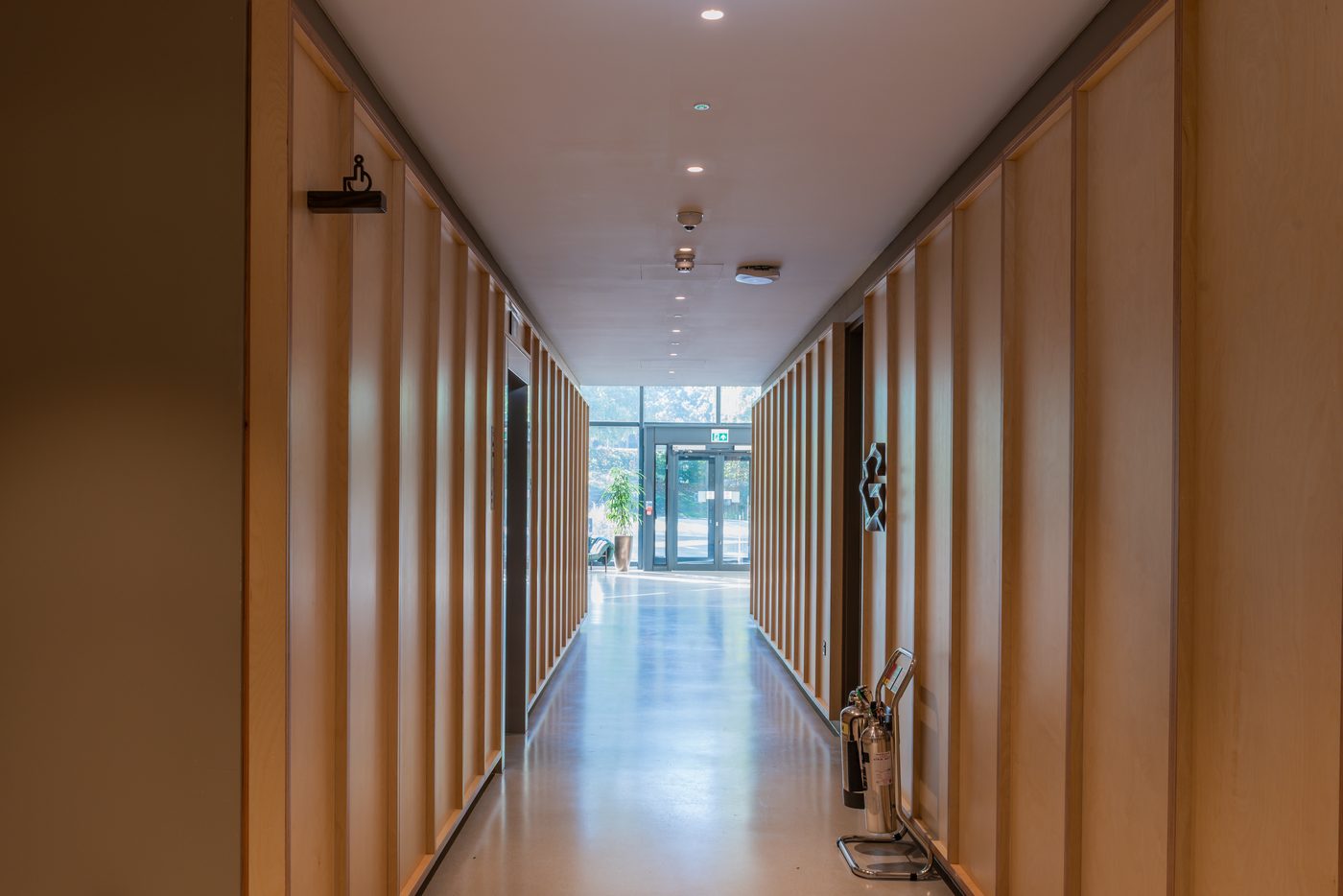
A specifier’s guide to interior signage: the main sign types, materials, fixing systems and accessibility checks, with advice on getting the scheme right first time.

In an office fit-out, landlord and tenant both need signage. See who specifies what in Cat A and Cat B, when to commission it, and how to avoid costly re-work.

How to specify school signage that handles wayfinding, safeguarding, accessibility and durability together. A practical guide for architects and education estates teams.
What glass manifestation is, when UK building regulations require it, and how to design it for safety, privacy and brand across offices and commercial spaces.

What accessible and inclusive signage requires in the UK: the Equality Act, Approved Document M and BS 8300, plus contrast, tactile, Braille and multi-sensory design.