
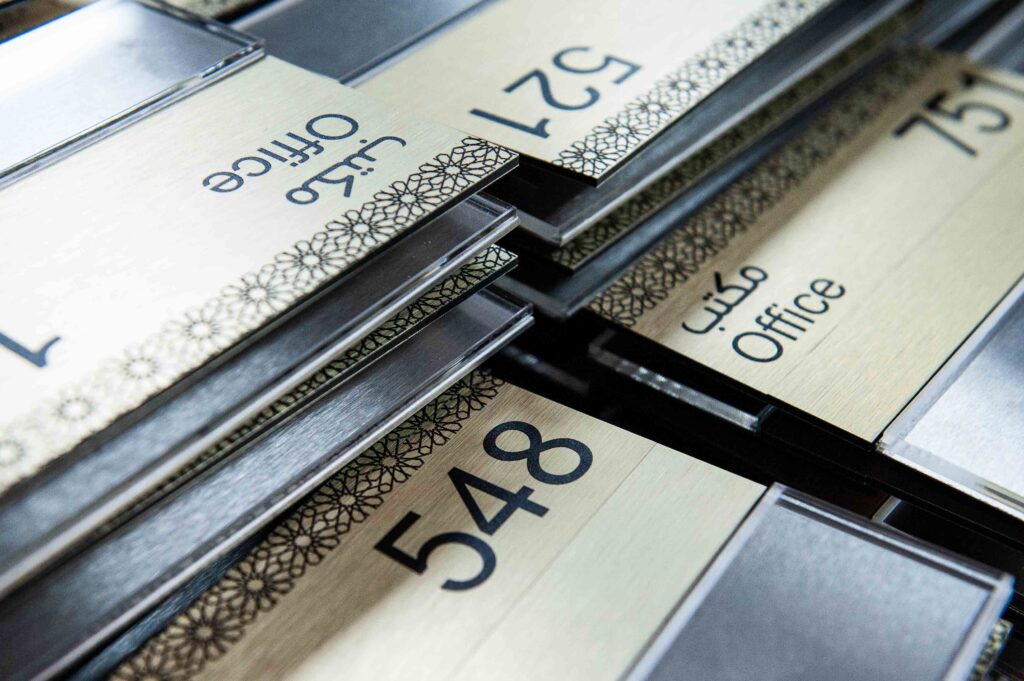
Most projects reach a point where the standard catalogue runs out. A logo that will not resolve as an off-the-shelf letter, a reception feature that has to hold its own against a double-height atrium, a wayfinding family that needs to work across timber, glass and metal without losing its identity. This is where bespoke signage stops being a luxury and becomes the only way to hold a design concept together.
The difficulty for a specifier is knowing when custom fabrication is genuinely warranted and when a standard product will do the job for a fraction of the cost and lead time. This guide sets out where bespoke signage earns its place, what “bespoke” should actually mean when a manufacturer offers it, and how xsign’s patented product set changes that calculation.
When a standard sign is the right answer
Bespoke is not automatically better. For the repeatable elements of a scheme, door signs, directory listings, statutory and safety signage, a well-engineered modular product is usually the stronger specification. It is quicker to deliver, easier to extend when a department is renamed, and it holds a consistent standard across hundreds of positions in a way that individually fabricated signs rarely do at sensible cost.
The honest position is that most schemes are a blend. The volume, repeatable signage runs on a modular system, and the budget and design attention concentrate on the few bespoke moments that carry the scheme’s identity. Deciding that split early is what keeps a project both coherent and affordable.
Where bespoke signage earns its place
Custom fabrication is worth it where a sign has to do something a standard product cannot. That usually means one of a few situations. A building identification or reception piece that has to match an exact brand geometry and material. A feature sign at a scale or in a material no catalogue covers. A wayfinding family that has to sit within a specific architectural language, coordinating with finishes, ironmongery and lighting rather than contrasting with them.
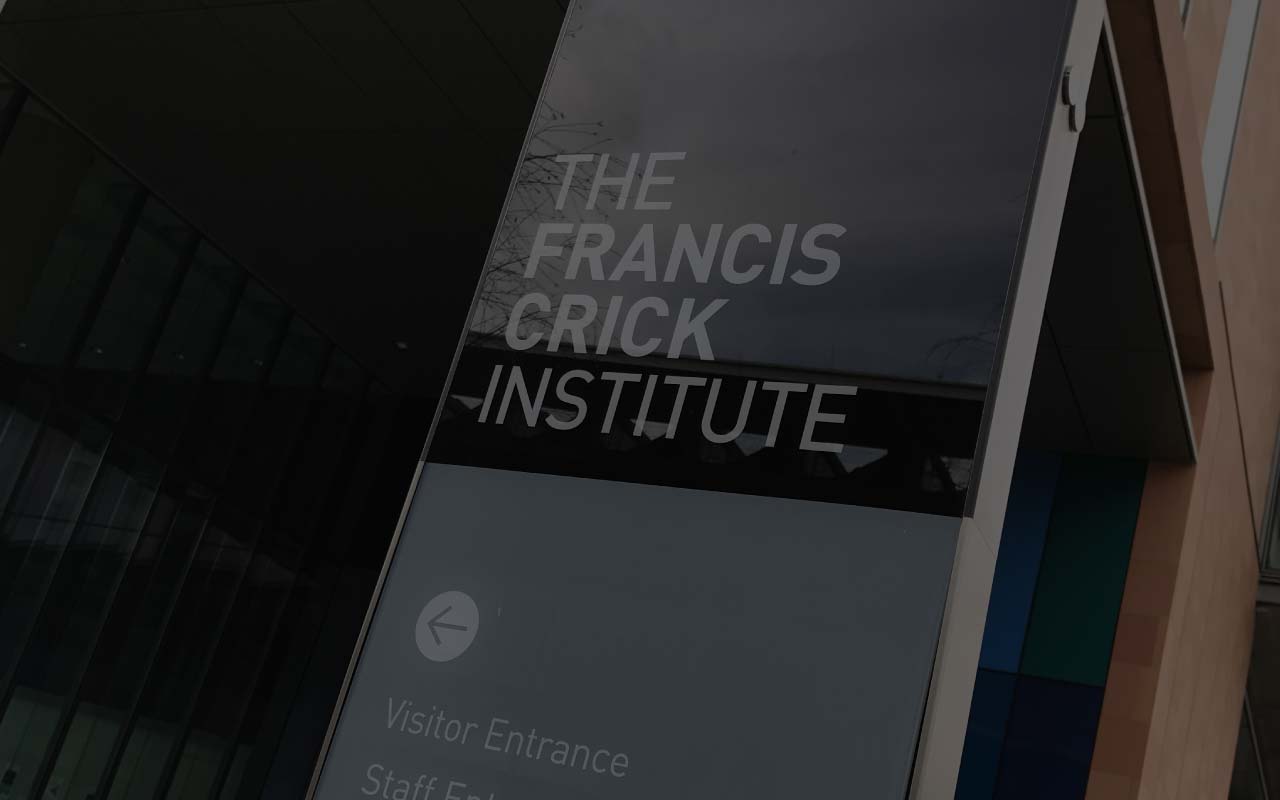
The Francis Crick Institute is a clear example. A landmark research building with a strong architectural identity and a high statutory bar could not be served by an off-the-shelf range. The identification and wayfinding were fabricated to the building, not adapted from stock, and the result reads as part of the architecture rather than applied to it.
What “bespoke” should actually mean
Bespoke is a word used loosely in signage, so it is worth being precise about what a specifier should expect from it. Genuine bespoke capability means design freedom in the sign face without losing engineering integrity in the fixing and the structure behind it. Too often “custom” means a slightly modified standard extrusion, which limits what the designer can actually do.
xsign’s approach is built around this distinction. Our patented jigsaw™ system releases identification and directional signage from the constraints of extruded and painted aluminium, so the face can use stainless steel, aluminium, coated and special finishes while the fixing detail stays engineered and consistent. It is the idea we describe as design freedom through engineering: the aesthetic is open, the structure is disciplined.
The patented product set behind bespoke work
Bespoke does not have to mean starting from nothing every time. A strong custom scheme often combines fabricated feature pieces with patented products that solve the recurring problems, which keeps cost and lead time in check without compromising the design.
The puzzle™ lockable paper-holding sign combines a no-tools locking mechanism with a choice of surface materials, which suits door and departmental signage that changes over time. The folio™ insert system supplies signs with text from day one through perforated paper inserts and templates, with invisible fixings that hold acetate against glass for fully flush glazed signage. Where accessibility matters, the talky™ programmable talking sign delivers a recorded message at the push of a button and integrates with the paper-holding system, supporting the inclusive-design duties set out in BS 8300-2:2018. These sit alongside fully bespoke fabrication rather than competing with it, and the range is set out on our bespoke signage page and across the interior signage range.
Material choice drives a bespoke brief
The material palette is where a bespoke brief is won or lost. The same logo can be interpreted in brushed stainless, in coated aluminium, in timber, in acrylic with a painted face, and each sends a different signal about the brand and the building. A bespoke manufacturer worth specifying should be able to work across all of them and advise on which suits the environment, not push whatever it fabricates most easily.
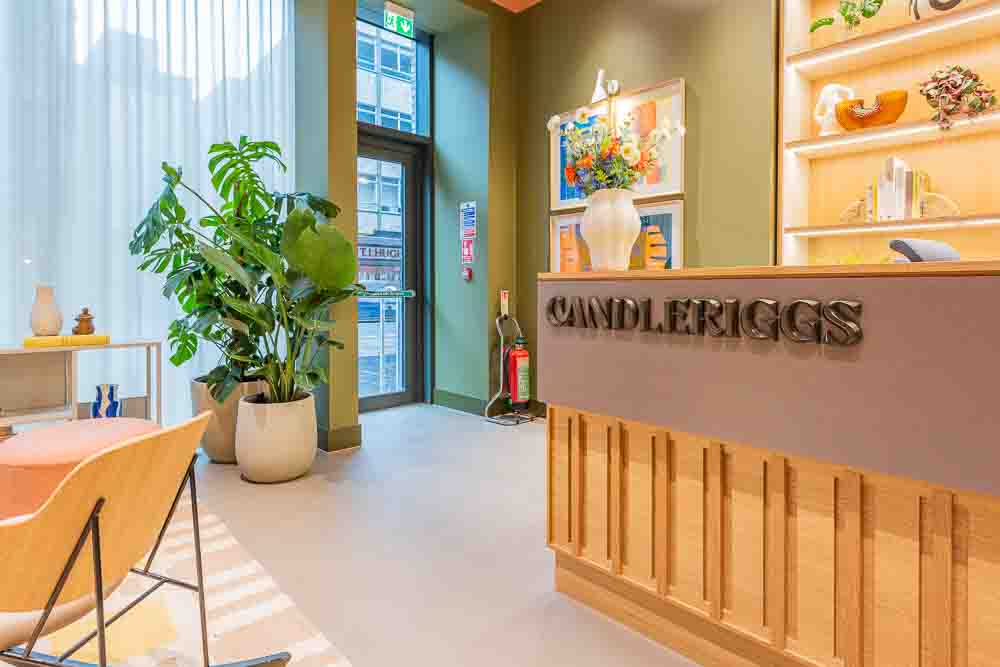
This breadth is the practical value of a wide material range: it lets a single visual identity be expressed appropriately in different settings, premium metal at the entrance, a warmer finish in hospitality spaces, a durable coated system where signage takes contact. The brief should start from the environment and the brand, and let the material follow.
Getting bespoke signage specified early
Bespoke fabrication needs time, and the best custom schemes are the ones where the signage partner was engaged during design rather than after handover. Early engagement lets fixing zones be planned into the wall build-up, materials aligned with the finishes schedule, and fabrication lead times sequenced against the programme rather than compressed at the end. We typically find that the custom moments a scheme most wants are the first things a late value-engineering pass removes, so naming them in the specification is what protects them.
FAQs
What is bespoke signage?
Bespoke signage is signage designed and fabricated for a specific project rather than selected from a standard catalogue. Genuine bespoke capability gives design freedom in the sign face, material, scale and form, while keeping the fixing and structure properly engineered. It is used for building identification, feature signage and wayfinding families that have to match an architectural concept.
When should you choose custom signs over standard ones?
Choose custom for the signs that carry a building’s identity or that no catalogue covers, typically reception and building identification, feature pieces, and scheme-defining wayfinding. Keep standard modular products for repeatable elements such as door signs, directories and statutory signage. Most schemes blend the two, concentrating the bespoke budget where it shows.
Does bespoke signage cost more?
Custom fabrication usually costs more per sign and needs longer lead times than a standard product, which is why it is best concentrated on the few signs that carry the scheme’s identity. Combining bespoke feature pieces with patented modular products for the repeatable elements keeps the overall scheme affordable without losing design quality.
What materials can bespoke signs be made from?
A capable manufacturer can fabricate across stainless steel, aluminium, coated finishes, timber, acrylic and glass, and advise on which suits the environment. xsign’s patented jigsaw™ system supports a wide face-material choice while keeping the fixing detail engineered and consistent, so the design is not limited by the fixing method.
How early should bespoke signage be specified?
At RIBA Stage 4, or earlier for landmark schemes. Early engagement lets fixing zones be built into the wall, materials aligned with finishes, and fabrication lead times sequenced against the programme. Specifying bespoke elements by name also protects them from being removed in a late value-engineering pass.
Specifying bespoke signage for your project
Bespoke signage is worth it when a sign has to carry a building’s identity or do something no standard product can, and it works best combined with well-engineered modular products for everything repeatable. If you have a project with a feature moment or a wayfinding family that needs to be fabricated to the building rather than adapted from stock, our team works with architects and specifiers from concept through to installation. Explore our bespoke signage service or get in touch to talk through a brief.