
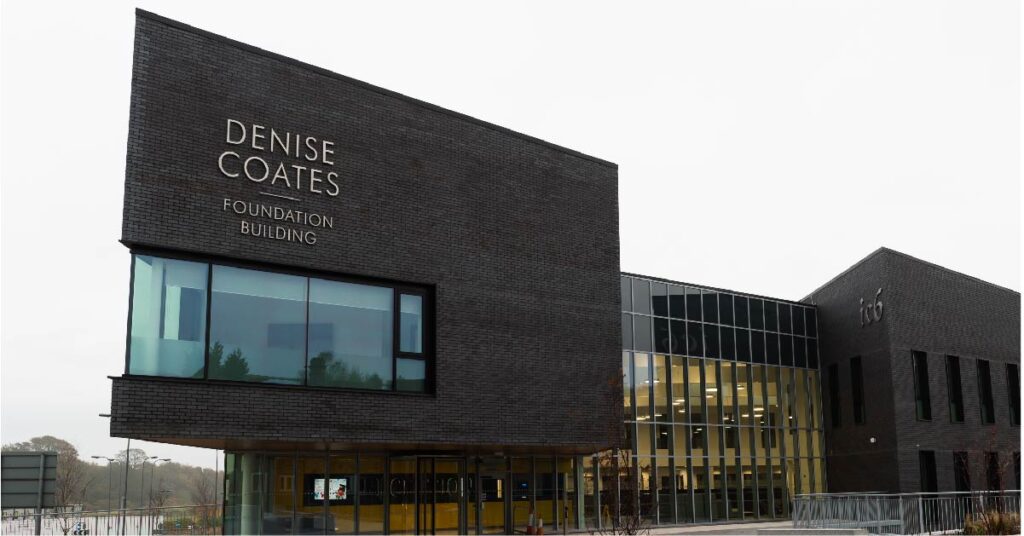
Stainless steel is the finish architects reach for when a scheme needs to read as considered and permanent. It is also the material most often specified loosely, as two words on a drawing with no grade, no finish and no fixing detail attached. That gap is where a premium specification quietly becomes a maintenance problem: the wrong grade tea-stains within a year, the wrong finish shows every fingerprint, and the wrong fixing telegraphs every fabrication tolerance.
Specified properly, stainless steel signage lasts the life of the building and keeps its finish through the repaint cycles happening around it. This guide covers the decisions that make the difference, written for architects and specifiers who want stainless steel signs that still look right a decade after handover.
Grade is the first decision, and it is not optional
The single most important line in a stainless steel signage specification is the grade. The two in common use are 304 and 316. Grade 304 is the standard austenitic stainless, and it performs well in most interior and sheltered exterior positions. Grade 316 adds molybdenum, which gives it markedly better resistance to chlorides, the corrosion driver in coastal air, swimming-pool environments and roadside pollution.
The failure mode when 304 is used where 316 belongs is tea-staining: a light brown surface discolouration that is not structural but reads as neglect on what was meant to be a premium sign. Specify the grade against the environment, and specify it by reference. “Grade 316 stainless steel to BS EN 10088-2” leaves nothing for a value-engineering pass to interpret downward.
Finish changes how the sign reads and how it wears
Grade decides longevity. Finish decides appearance, and how the sign copes with daily contact. A brushed satin finish, usually a grit 240 directional grain, is the workhorse for architectural signage: it reads as premium, disguises minor handling marks, and sits comfortably against most facade and interior materials. A mirror-polished finish looks striking but shows every fingerprint and swirl, which makes it a difficult choice at door-handle height in a busy building.

For coloured or high-contrast information, stainless can carry a printed, etched or infilled graphic layer, though the accessibility rules on luminance contrast still apply, and BS 8300-2:2018 sets the minimum contrast a sign has to meet against its background. There is a genuine trade-off here worth naming: a self-coloured stainless sign is beautiful and durable but limited in contrast, so where wayfinding legibility is the priority, a coated or two-material approach often serves the reader better than polished metal alone.
Fixing detail: where fabrication quality shows
Stainless steel is unforgiving of a poor fixing. Because the surface is reflective and the material reads as precise, any misalignment, uneven shadow gap or visible fastener is obvious. The detail that avoids it is stud-and-spacer fixing: concealed threaded studs on the back of each letter or plate, set on spacers so the sign stands off the wall and casts a controlled shadow line.
Our patented jigsaw™ system was built to keep that engineering integrity in the fixing while freeing the sign face from the constraints of extruded and painted aluminium, across stainless steel, aluminium and coated finishes. On the identification work at the Francis Crick Institute, jigsaw™-mounted stainless carried the scheme in a demanding research environment where the finish had to stay crisp and serviceable for the life of the building.
Where stainless steel earns its place
Stainless steel is not the right answer everywhere, and specifying it by default wastes budget. It earns its place at building entrances and reception identification, where first impressions and durability both matter; on exterior building signage exposed to weather; and on high-touch interior signage such as lift lobbies and stair cores where a coated finish would scuff. For large internal wayfinding runs that change over time, a modular coated system is often the better call, which is why most schemes we deliver use stainless steel selectively rather than throughout.
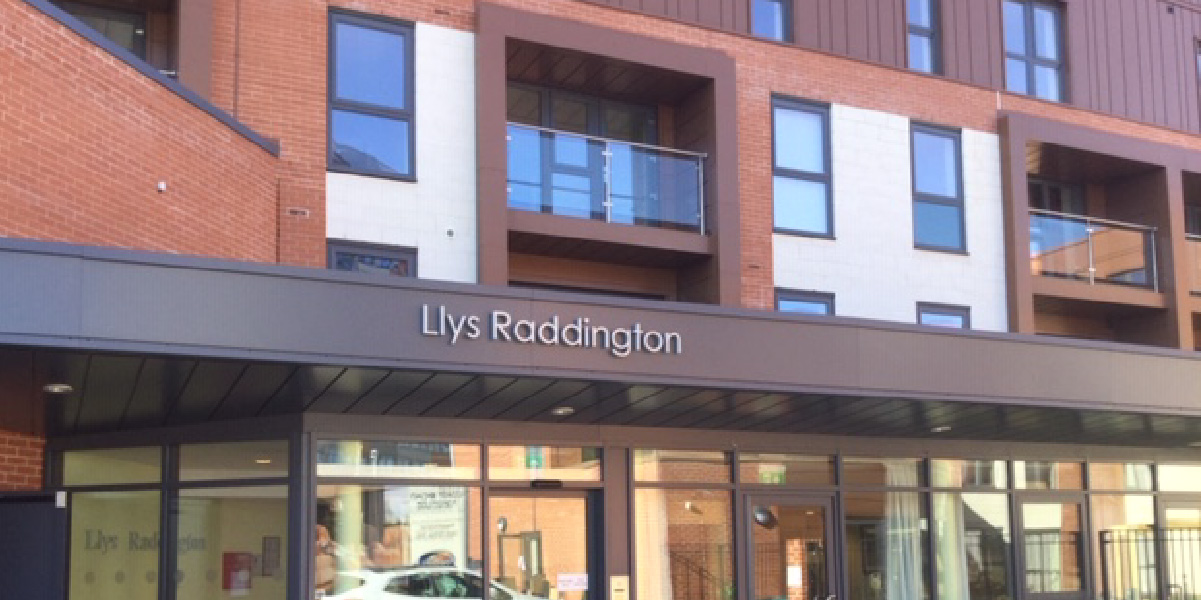
Used this way, stainless becomes the material that signals quality at the moments people notice most, while the rest of the scheme uses finishes suited to their job. The full range and finish options sit on our stainless steel signage page, and for anything outside a standard product our bespoke signage service covers the rest.
Maintenance the specification should anticipate
Stainless steel is low-maintenance, not no-maintenance. The specification should hand the facilities team a short, correct cleaning regime: a mild detergent and a soft cloth wiped along the grain, never a chloride-based or abrasive cleaner, which damages the passive layer that gives stainless its corrosion resistance in the first place. External signage in exposed positions benefits from an occasional rinse to clear salt and grime before it has a chance to mark the surface.
Anticipating this at specification stage is a small thing that protects the finish for years. A premium material cleaned with the wrong product ages faster than a modest one cleaned correctly.
FAQs
What grade of stainless steel is best for signs?
Grade 304 suits most interior and sheltered exterior signage. For coastal, poolside or high-pollution environments, specify grade 316, which contains molybdenum and resists the chloride corrosion that causes tea-staining on 304. Specify the grade explicitly by reference to BS EN 10088-2 so it cannot be substituted downward.
Why do stainless steel signs get brown stains?
That is tea-staining, a surface discolouration caused by chlorides attacking a grade of stainless not suited to the environment, usually 304 used where 316 was needed. It is cosmetic rather than structural, but it reads as neglect. The fixes are specifying the correct grade and cleaning with the right products, never chloride-based cleaners.
What finish should I specify for stainless steel signage?
A brushed satin finish (grit 240) is the usual choice for architectural signage: premium in appearance and forgiving of handling marks. Mirror-polished stainless looks striking but shows fingerprints and is a poor choice at contact height. For high-contrast wayfinding, consider a coated or two-material approach for legibility.
How are stainless steel signs fixed to a wall?
The standard is concealed stud-and-spacer fixing: threaded studs on the back of each letter or plate, set on spacers so the sign stands off the wall with a clean shadow line and no visible fasteners. Our patented jigsaw™ system keeps the engineering in the fixing while allowing a wide choice of face material and finish.
How do you clean stainless steel signage?
Use a mild detergent and a soft cloth, wiping along the direction of the grain. Avoid chloride-based cleaners and abrasives, which damage the passive layer that resists corrosion. Rinse exposed external signs occasionally to clear salt and grime. Correct cleaning keeps the finish looking new for the life of the sign.
Specifying stainless steel signage for your project
Stainless steel rewards a precise specification: the right grade for the environment, a finish suited to how the sign will be touched and seen, a concealed fixing detail, and a cleaning regime the facilities team can follow. Get those right and it is one of the longest-lasting materials in signage. If you are specifying stainless steel signs for a current project, our team works with architects and specifiers from concept through to installation. Explore our stainless steel signage service or get in touch to talk it through.